
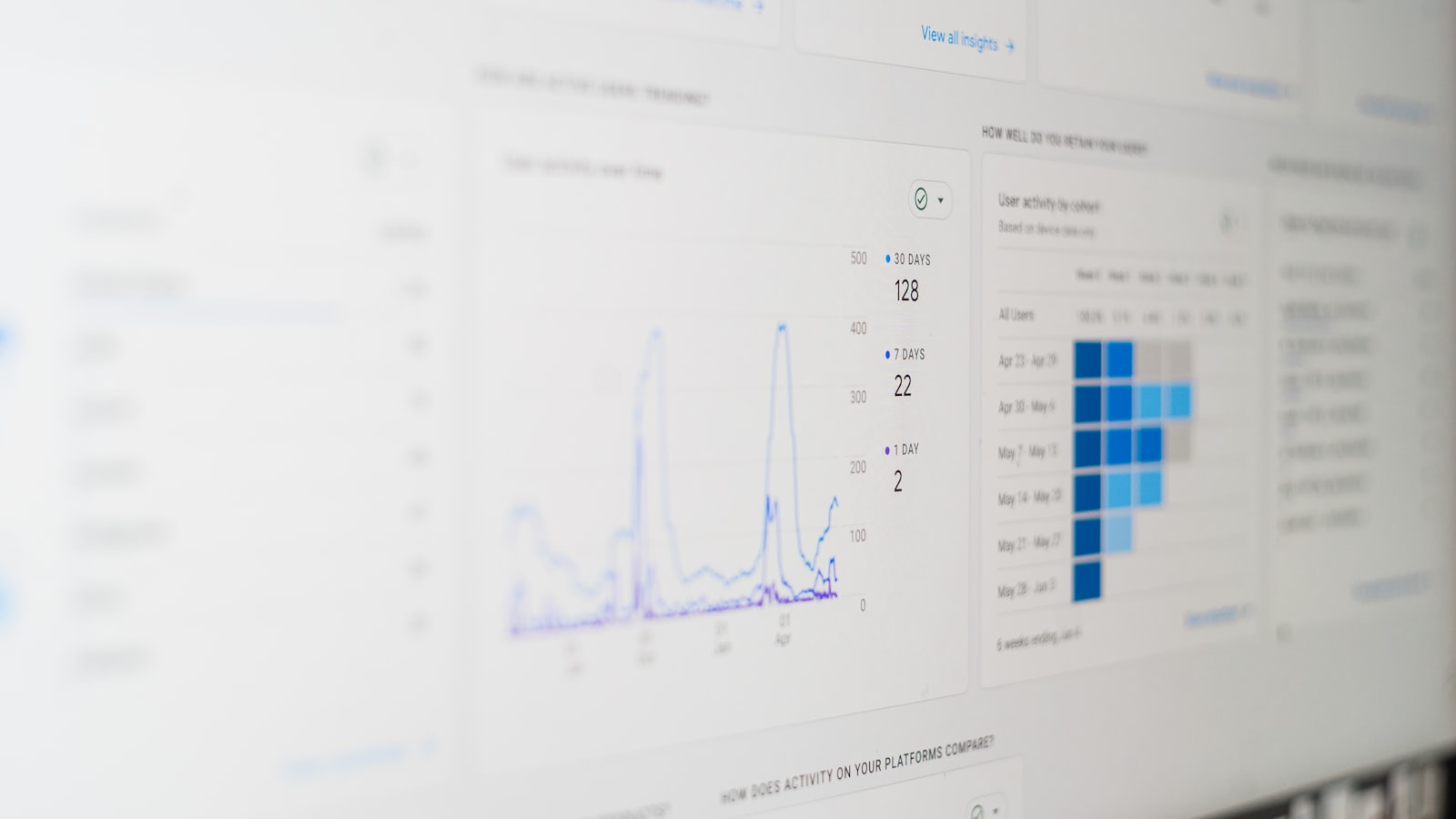
Ask most merchants how their store is doing and how their ads are doing, and you'll get two different answers from two different places: Shopify for the store, Google Ads for the campaigns. Both are true. Neither one, on its own, tells you whether the money going into ads is actually landing on the products that can fulfill it.
Two reports, one business
A campaign report shows clicks, cost, and conversions. A store report shows orders, revenue, and stock. Reading them side by side is the part that usually doesn't happen, because it means opening both, remembering what each number means in the other's terms, and doing the cross-referencing by hand. So problems that only show up at the intersection go unnoticed: a product running low on stock while its campaign keeps sending it traffic, or a best seller with no ad budget behind it at all.
What one assistant sees that two dashboards don't
Mercopilot connects to both Shopify and Google Ads, so an assistant like Claude or ChatGPT can read across the two in a single answer. Ask "am I advertising the right products?" and it checks your Google Shopping spend against your actual stock and sales: which dollars are going to products that are out of stock or barely moving, and which best sellers are getting no ad support at all. Ask "where is my ad budget going to waste?" and it looks for search terms you're paying for that never sell, campaigns bringing back less than they cost, and profitable campaigns held back by too small a daily budget.
Each finding names the campaign or product, the reasoning, and what it's likely worth, so it reads like an answer rather than a raw export. You can also ask for the plain facts, like "which campaigns do I have?" for a list with status, channel, and daily budget, so there's always a way to check the underlying numbers rather than take a recommendation on faith.
Fixing it without switching tabs
Once something needs to change, blocking a wasteful search term, pausing a campaign, resetting a daily budget, restocking the product driving the traffic, it can happen from the same conversation, in your store or your ad account. Nothing moves until you approve it: every change is proposed first, and Mercopilot never runs on a schedule or acts without you asking. Approving it there, rather than copying the fix back into Shopify and Google Ads separately, is the part that turns a report into an actual fix.
Getting connected
Connecting Shopify and connecting Google Ads are both a few minutes each, and neither is required to use the other; plenty of merchants start with just the store. The quick start guide covers the shortest path from nothing to asking your first question.
Stop asking “how many orders did I get?” Start asking what to fix first
Connect Shopify and Google Ads and see where the money is going — the best seller about to run out, the stock that has stopped moving, the search terms you pay for that never sell. Every fix comes with what it's worth, and getting it done is one word away.
- See the biggest wins first
- Finds it, then fixes it for you
- Catch lost sales before they happen