
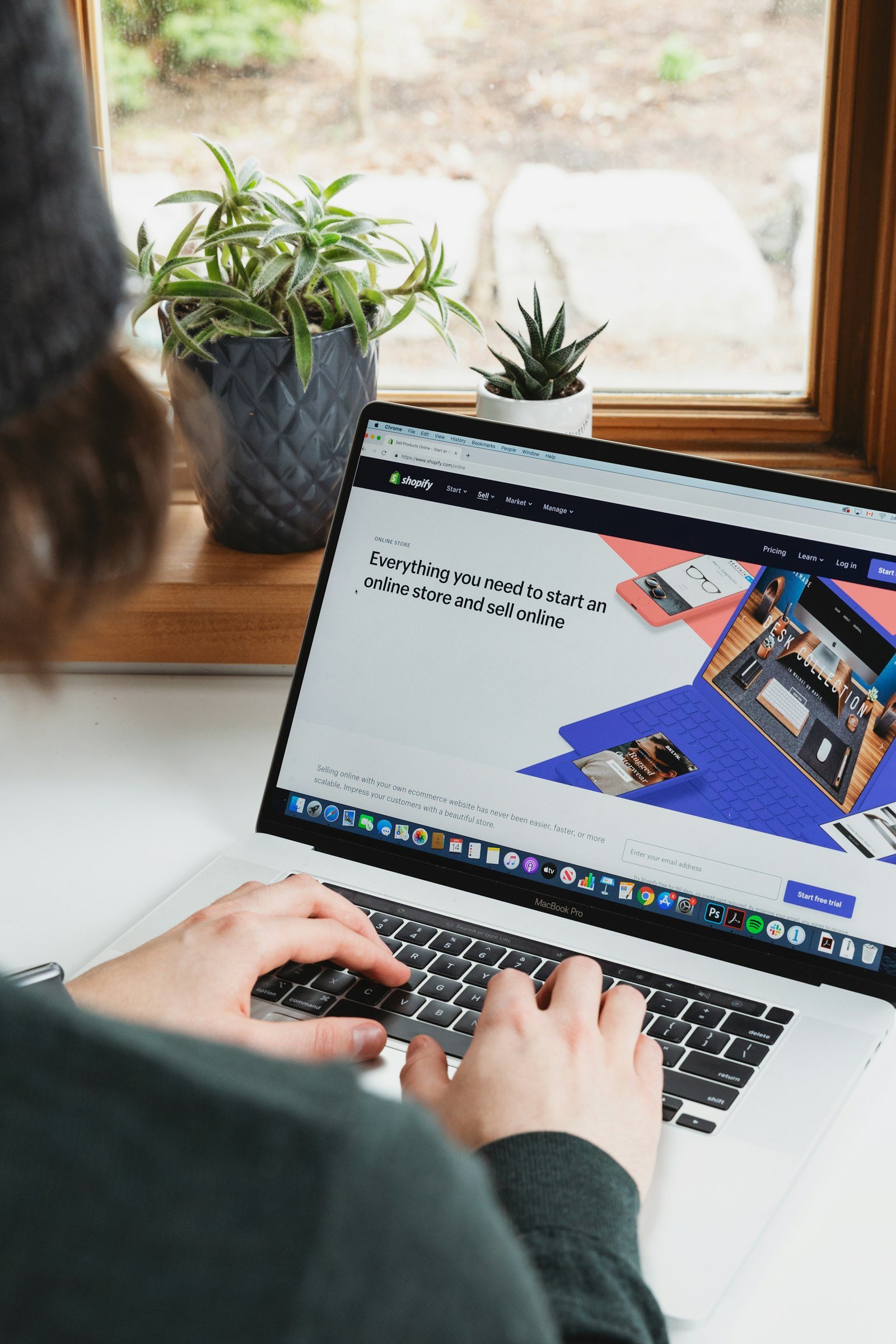
Most stores run on a stack of separate tools: a storefront platform, an ads dashboard, an analytics report, maybe a spreadsheet stitching the three together at the end of the week. Each one shows part of what happened. None of them tell you what to do next, and none can act on the answer without you opening another tab. A protocol called MCP is closing that gap, and it's changing what running a store day to day is starting to look like.
What MCP actually is
MCP, short for Model Context Protocol, is an open standard, originally published by Anthropic, that gives an AI assistant like Claude or ChatGPT a defined way to call into an external service: read data from it, and where the service allows, take an action through it. Before MCP, connecting an AI assistant to your store meant a custom integration built by whoever wanted to offer it. MCP replaces that with one protocol, so a server built once works with any MCP-compatible client.
For a merchant, the plumbing doesn't matter. What matters is the result: your AI assistant can look at your real orders, inventory, and ad spend and answer from them, instead of talking about ecommerce in general. Ask how your store is doing and it checks, rather than guesses.
What this looks like inside Mercopilot
Mercopilot is built on MCP. You connect your Shopify store, and your Google Ads account if you run campaigns, and from Claude, ChatGPT, or any other MCP client you can ask things like:
- "How is my store doing this month?"
- "Where am I losing money right now?"
- "Where is my ad budget going to waste?"
- "What should I do next?"
Each answer is grounded in your actual data, read fresh at the moment you ask, and comes with the reasoning behind it and the exact products or campaigns it concerns, so you can judge it rather than take it on faith. When there's a change worth making, restocking a product, adjusting a price, pausing a wasteful campaign, you can have it made without leaving the conversation, rather than copying numbers back into Shopify or Google Ads by hand.
That comes with a guardrail worth stating plainly: nothing changes in your store or ad account without your approval in that conversation, and nothing runs on a schedule or in the background. Mercopilot doesn't decide anything on its own. It's the connection that lets Claude or ChatGPT act on your behalf, with you saying yes or no to each step.
The future of ecommerce is one conversation, not four dashboards
Shopify and Google Ads are where Mercopilot reads and writes today; WooCommerce, BigCommerce, Meta Ads, and Google Analytics are on the roadmap. The shape of the product won't change as they land, the same conversation just sees more of the business, which is the real advantage of building on an open protocol rather than a one-off integration per platform. That's the future MCP points ecommerce toward: fewer separate dashboards, and more of the business answerable from a single conversation with the AI assistant a merchant already uses, always with a person approving the change rather than software acting unasked.
Getting started
How it works walks through the full loop from connecting a store to a change landing back in it, and the tool catalog lists everything an AI assistant can ask Mercopilot to check or change. Connecting a Shopify store and adding Mercopilot to Claude takes about five minutes end to end, and the quick start guide covers exactly that.
Stop asking “how many orders did I get?” Start asking what to fix first
Connect Shopify and Google Ads and see where the money is going — the best seller about to run out, the stock that has stopped moving, the search terms you pay for that never sell. Every fix comes with what it's worth, and getting it done is one word away.
- See the biggest wins first
- Finds it, then fixes it for you
- Catch lost sales before they happen